
Last year, a survey by UK Leisure Insights found that 63 % of adults aged 18–45 spent at least an hour a day on mobile games. That’s more time than the average person spends on TV or scrolling through social media. The shift is not just about quantity; it’s about how people choose to relax, connect, and even earn while they play.
From Pocket‑Sized Fun to Social Rituals
When I first tried Clash Royale on my phone, I was drawn in by the quick matches that fit into a coffee break. Within weeks, I was scheduling weekly sessions with friends, coordinating strategies over text, and even organising a local tournament. The game’s design encourages brief, repeatable play sessions, turning a simple pastime into a shared social event.
In contrast, traditional board games or pub quizzes often require a set time slot and a physical gathering. Mobile titles like Words with Friends or Among Us remove those constraints. You can pick up a phone in a car, on a bus, or at a café and jump straight into a multiplayer session. The result? A more flexible leisure schedule that fits into the unpredictable rhythms of modern life.
Monetisation Models That Keep Players Engaged
Free‑to‑play with in‑app purchases has become the norm. For instance, Genshin Impact offers a “gacha” mechanic where you can spend a small amount—say, £2—to try your luck at a rare character. The odds are transparent: a 0.6 % chance for the most coveted items. This low‑risk, high‑reward structure keeps players coming back, turning casual gaming into a recurring habit.
However, the same model can backfire. Players with limited disposable income may find themselves chasing rare drops, spending more than they intended. Developers are responding by introducing daily free rewards and limiting the frequency of purchase prompts, but the temptation remains.
Health and Wellness: The Double‑Edged Sword
Mobile games can reduce stress. A short 15‑minute session of a puzzle game like Monument Valley can lower heart rate and improve mood, according to a 2023 study from the University of Manchester. Yet prolonged play without breaks can lead to eye strain and disrupted sleep patterns. The key is moderation and setting time limits—something many apps now support with built‑in timers.
For parents, the challenge is balancing screen time with outdoor activities. Schools are experimenting with gamified learning apps that reward physical movement, merging the benefits of digital engagement with real‑world exercise.
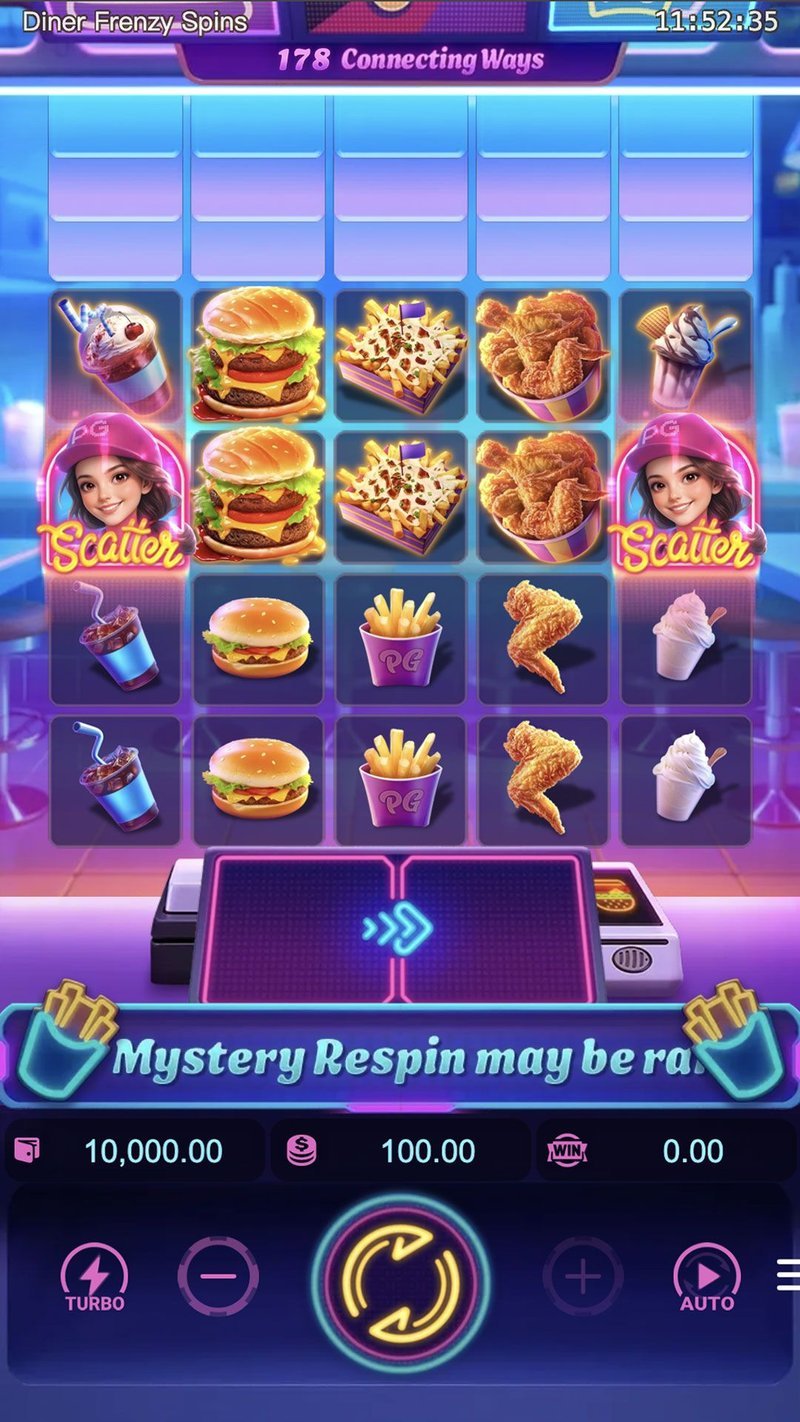
From Entertainment to E‑Sports and Streaming
Competitive mobile gaming has exploded. The PUBG Mobile Championship in 2022 attracted over 10 million viewers on Twitch, with prize pools exceeding £500,000. Viewers now treat esports streams as a mainstream leisure activity, similar to watching a football match. This convergence of gaming and streaming culture is reshaping how we spend evenings.
Linking Mobile Leisure to Online Entertainment
As mobile gaming blurs the line between casual play and serious competition, many users are turning to online entertainment platforms for a richer experience. Whether it’s streaming a live tournament, exploring virtual reality, or joining a community forum, the digital leisure ecosystem is expanding. For those looking to explore this new frontier safely, Link offers robust security solutions to protect personal data while you enjoy the best of online entertainment.
The Bottom Line
Mobile gaming is no longer a niche hobby; it’s a mainstream leisure force that reshapes how we spend time, connect with others, and even think about money. Its convenience, social depth, and evolving monetisation strategies make it a powerful cultural shift. Yet, like any technology, it carries risks—financial, health‑related, and social—that users must navigate consciously. By staying informed and setting boundaries, we can harness the benefits while mitigating the downsides, ensuring that mobile gaming remains a positive addition to our leisure landscape.